This is default featured slide 1 title

Go to Blogger edit html and find these sentences.Now replace these sentences with your own descriptions.

This is default featured slide 2 title

Go to Blogger edit html and find these sentences.Now replace these sentences with your own descriptions.

This is default featured slide 3 title

Go to Blogger edit html and find these sentences.Now replace these sentences with your own descriptions.

This is default featured slide 4 title

Go to Blogger edit html and find these sentences.Now replace these sentences with your own descriptions.

This is default featured slide 5 title

Go to Blogger edit html and find these sentences.Now replace these sentences with your own descriptions.

Wednesday, March 2, 2016

Build a Container Home: China Container House - Angela's Blog

Container houses are in many ways ideal building materials widely used in China. The relatively cheap China container house is a good foundation for a well-built, mobile, and post-apocalyptic house. They have been designed to carry heavy loads besides being stacked in high columns. In addition, they are designed to resist harsh environments, like on homes close to the ocean or sprayed with road-salt while transported on roads. Because of their high strength, China container house may be adapted for secure storage. Much cheaper as compared to conventional construction methods of timber framed buildings, as well as brick and mortar properties, containers are rather modular, flexible with regards to design (and can be made to appear absolutely beautiful!), eco-friendly, durable, and just-an all-round winner whenever it comes to constructing your own home.


These container houses are designed to be supported by means of their 4 corners making it possible to have a very simple foundation. Also, the top 4 corners are quite strong as they're intended to support a stack of other China containers. All containers are generally the same width and most have 2 standard height and length measurements. As such, they offer modular elements which can be combined into bigger structures. This simplifies the entire design, planning and transport of pre-fabricated materials. As they are already conformed to standard shipping sizes, pre-fabricated modules can be easily transported by rail, ship, or truck. The China container house is already designed to interlock for ease of-mobility during transportation, and so structural construction is completed through simply emplacing them. Because of the modular design of the container, additional construction is as simple as stacking more containers. They could be stacked up to 12 storey high when empty.

Containers are in many ways ideal building materials as they are strong, stackable, cuttable, movable, modular, durable, plentiful and relatively cheap. The abundance and relative affordability of these China container houses during the last decade comes from the shortfall in manufactured goods that come from North America in the past two decades. The manufactured goods come from Asia to North America and, to a lesser extent, Europe, inside containers that oftentimes have to be shipped back empty, or "dead-head", at considerable expense. It's often very cheap to buy new containers in China than to ship old ones back. New applications are therefore sought for the used containers that have arrived at their North American destination.
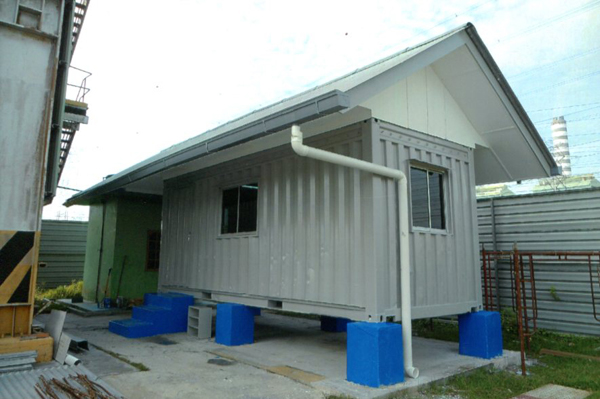


There are a number of benefits to staying in homes built from shipping containers, and an increasing number of individuals are starting to realize that and taking action. If you're already lucky enough to-have constructed your own and are already living in one, you will know these benefits first-hand and will yourself have experienced them. Made of pre-fab steel and welded together, the containers are made to be strong and rigid, and very hard wearing. This makes them highly practical in places of high geological activities, such as hurricane hotspots and earthquake zones. Consider the mere fact that China container houses have been built to withstand the most callous weather conditions, travel hundreds of thousands-of miles aboard open top trans-oceanic shipping container ships. They are built to-have a minimum working lifespan of 20-years before being de-commissioned. After that, the containers, placed inside a fixed-position and maintained, have a-virtually infinite lifespan.
In the last 2 decades, architects have been incorporating containers houses into everything from houses to schools for aesthetic purposes, but for out of economic necessity as well Architects and laypeople alike have used them to build several types of buildings like homes, offices, apartments, dormitories, artists' studios, schools, and emergency shelters; they've also been used as swimming pools. A China container house is also used to offer temporary secure spaces on construction sites as well as in other venues on an "as-is" basis in place of building shelters. The low cost re-locatable or disposable house is being provided to a depressed residential market. Container houses sell for around $95,000 to $125,000 for 3-bedrooms, with fully-built houses costing less than $100,000, and can arrive on the shores in 6 containers, nearly completely built from a factory in China.


All window and door joinery can be double glazed and the houses clad in uPVC. The china container house are made up of modules will get assembled in a factory and then shipped out to on-site in order to be joined. The cladding and mono-pitch roof structure can be retrofitted and is a secondary weather tightness barrier: double the guarantee against water ingress at only half the price. You may need extra money to buy paint and wallpaper, appliances, air conditioning, bathroom fittings, home theatre, security systems, lighting and interior design.
Steel conducts heat very well; and so containers used for human occupancy in environments with extreme temperature variations normally have to be better insulated compared to most wood, brick, or block structures. Describing the areas as "re-purposed containers", a single fan heater can warm the steel homes which were previously ideal for remote beach spots or camp grounds where access was a problem. With this in place, the home is extremely well-insulated, warm and dry. You may need certification and appraisal of your Chinese-made places, made of shipping-container structural steel. Testing and certification is done in accordance to what is needed by the Building Code and local councils. The China container house units are earthquake proof to a magnitude 8, and structurally superior, surpassing the insulation requirements of H1. At the same time, the houses can be designed cyclone and hurricane-safe, been tested up to 290km/h winds.

China container-shipped built up houses could revolutionize the building sector since the trend is growing at a gradual rate, with thousands of Chinese-built container style houses having been sold. This has potentially changed the landscape for entry level buyers in a move which could redress the affordability crisis of national housing. Inside its containers, the house can be trucked to sites where a concrete floor-pad has already been laid. Some customers may have a loathing to the container approach. A number of businesses are also promoting Chinese-made container houses with frames derived from the same structural steel employed to make shipping containers, and with rooms divided into modules.

- Hello, My amazing Build Shipping Container House blog readers. Nice to meet You again, today. Here, now. In this article titled, , you might find interesting information about what You looking for. Hopefully, the content from my China article China Container House article will bring you many advantages both in work and in life. Enjoy Your readings. ^_^

Title : Build a Container Home: China Container House - Angela's Blog
URL Link : Build a Container Home: China Container House - Angela's Blog

Related Articles:


Container houses are in many ways ideal building materials widely used in China. The relatively cheap China container house is a good foundation for a well-built, mobile, and post-apocalyptic house. They have been designed to carry heavy loads besides being stacked in high columns. In addition, they are designed to resist harsh environments, like on homes close to the ocean or sprayed with road-salt while transported on roads. Because of their high strength, China container house may be adapted for secure storage. Much cheaper as compared to conventional construction methods of timber framed buildings, as well as brick and mortar properties, containers are rather modular, flexible with regards to design (and can be made to appear absolutely beautiful!), eco-friendly, durable, and just-an all-round winner whenever it comes to constructing your own home.


These container houses are designed to be supported by means of their 4 corners making it possible to have a very simple foundation. Also, the top 4 corners are quite strong as they're intended to support a stack of other China containers. All containers are generally the same width and most have 2 standard height and length measurements. As such, they offer modular elements which can be combined into bigger structures. This simplifies the entire design, planning and transport of pre-fabricated materials. As they are already conformed to standard shipping sizes, pre-fabricated modules can be easily transported by rail, ship, or truck. The China container house is already designed to interlock for ease of-mobility during transportation, and so structural construction is completed through simply emplacing them. Because of the modular design of the container, additional construction is as simple as stacking more containers. They could be stacked up to 12 storey high when empty.

Containers are in many ways ideal building materials as they are strong, stackable, cuttable, movable, modular, durable, plentiful and relatively cheap. The abundance and relative affordability of these China container houses during the last decade comes from the shortfall in manufactured goods that come from North America in the past two decades. The manufactured goods come from Asia to North America and, to a lesser extent, Europe, inside containers that oftentimes have to be shipped back empty, or "dead-head", at considerable expense. It's often very cheap to buy new containers in China than to ship old ones back. New applications are therefore sought for the used containers that have arrived at their North American destination.


There are a number of benefits to staying in homes built from shipping containers, and an increasing number of individuals are starting to realize that and taking action. If you're already lucky enough to-have constructed your own and are already living in one, you will know these benefits first-hand and will yourself have experienced them. Made of pre-fab steel and welded together, the containers are made to be strong and rigid, and very hard wearing. This makes them highly practical in places of high geological activities, such as hurricane hotspots and earthquake zones. Consider the mere fact that China container houses have been built to withstand the most callous weather conditions, travel hundreds of thousands-of miles aboard open top trans-oceanic shipping container ships. They are built to-have a minimum working lifespan of 20-years before being de-commissioned. After that, the containers, placed inside a fixed-position and maintained, have a-virtually infinite lifespan.
In the last 2 decades, architects have been incorporating containers houses into everything from houses to schools for aesthetic purposes, but for out of economic necessity as well Architects and laypeople alike have used them to build several types of buildings like homes, offices, apartments, dormitories, artists' studios, schools, and emergency shelters; they've also been used as swimming pools. A China container house is also used to offer temporary secure spaces on construction sites as well as in other venues on an "as-is" basis in place of building shelters. The low cost re-locatable or disposable house is being provided to a depressed residential market. Container houses sell for around $95,000 to $125,000 for 3-bedrooms, with fully-built houses costing less than $100,000, and can arrive on the shores in 6 containers, nearly completely built from a factory in China.


All window and door joinery can be double glazed and the houses clad in uPVC. The china container house are made up of modules will get assembled in a factory and then shipped out to on-site in order to be joined. The cladding and mono-pitch roof structure can be retrofitted and is a secondary weather tightness barrier: double the guarantee against water ingress at only half the price. You may need extra money to buy paint and wallpaper, appliances, air conditioning, bathroom fittings, home theatre, security systems, lighting and interior design.
Steel conducts heat very well; and so containers used for human occupancy in environments with extreme temperature variations normally have to be better insulated compared to most wood, brick, or block structures. Describing the areas as "re-purposed containers", a single fan heater can warm the steel homes which were previously ideal for remote beach spots or camp grounds where access was a problem. With this in place, the home is extremely well-insulated, warm and dry. You may need certification and appraisal of your Chinese-made places, made of shipping-container structural steel. Testing and certification is done in accordance to what is needed by the Building Code and local councils. The China container house units are earthquake proof to a magnitude 8, and structurally superior, surpassing the insulation requirements of H1. At the same time, the houses can be designed cyclone and hurricane-safe, been tested up to 290km/h winds.

China container-shipped built up houses could revolutionize the building sector since the trend is growing at a gradual rate, with thousands of Chinese-built container style houses having been sold. This has potentially changed the landscape for entry level buyers in a move which could redress the affordability crisis of national housing. Inside its containers, the house can be trucked to sites where a concrete floor-pad has already been laid. Some customers may have a loathing to the container approach. A number of businesses are also promoting Chinese-made container houses with frames derived from the same structural steel employed to make shipping containers, and with rooms divided into modules.

Wednesday, February 24, 2016

Build a Container Home: Are Shipping Container Homes Safe To Live In - Angela's Blog

All over the world, shipping container architecture is getting popular by the day. Not only is it becoming trendy but it is also taking center stage as effective, superior and sustainable alternative to traditional building materials. More to that, it is also getting accolades as being a green solution to affordable living, since there are millions of containers lying in stakeouts and ports, creating junk that needs to be put into good use All that said and done, one very important question remains i.e. are shipping container homes dangerous to live in? It is a question that deserves a comprehensive answer for those looking for home alternatives.


It is pretty clear that shipping containers are affordable, innovative and practical when it comes to addressing shelter needs. It is however plausible to evaluate the use of containers to evaluate just how safe they are to the user and ecosystem at large. We also look at ways of making them pose less risk to the user and the environment.

Second hand shipping containers. 

Most shipping container construction is done with used shipping containers of the boat. These are bought then fabricated to suit the taste and functionality. One major concern with this is the safety of the material used to manufacture the container. The manufacturers of these containers don't intend them to be used for housing or such other purposes at any point in their life span and therefore may use poisonous paints and solvents to make them more durable.

The other thing that makes these used containers a risk to the user's health is that some carry dangerous chemicals that may spill and leave contaminants in the structure. If the contaminants are not detected and gotten rid of, they can be pose health risks to the users.
It is however possible to make a used shipping container safe by carrying out simple procedures before using them in construction.

� Securing the floors; Shipping container floors are usually covered with wood. The wood is treated with chemicals to give it a longer lease of life. When intending to use a second hand shipping container for construction, the first thing you should do is to call the original manufacturer to know whether the floor was treated using toxic chemicals. In the event this is so, you can make the floor safe by using non-breathable underlayment on it The non-breathable underlayment is laid directly on the original wooden floor. Tiles or other preferred flooring is then put on top.

� Securing the walls; In the event that you learn that the paints used are toxic, create a vapor barrier by spraying foam insulation on the inside wall. Your new home is now safe from toxic fumes. Paint the walls with water proof paint to prevent rusting and leakages. In case you are using them in a wilderness, use special paint that deters insects, rodents and other dangerous animals like snakes.
New shipping containers.

It is possible to get a shipping box straight from the manufacturer with the intent of using it for construction of residential houses. This makes them safe because the manufacturer is well aware of the intended use and therefore will refrain from using toxic paints or solvent in the container making process. However, getting a new container can be costly and doesn't add to the green resource cause.
Safety in extreme weather.

When asking yourself "are shipping containers safe to live in?" it is important to consider extreme weather factor. You home should be able to stand extreme weather like storms and hurricanes. Since these containers are designed to be stacked on one another in turbulent ocean weather, my bet is that they can stand harsh weather. Their popularity comes from the fact that they are sturdy, so much so that they stood the test of hurricane Katrina. The safety of shipping containers in bad weather and other natural disasters is clear as they are being used as emergency housing, medical centers and response dispatch centers in areas that have been hit with or are prone to natural calamities.
Security and comfort.

Just how secure and comfortable are shipping container homes? As a home owner� it gives you piece of mind to know that your home is burglar proof and secure even if you went away for months. Historically, the volume off lost goods declined significantly when shipping boxes were first put into use in the 50s. A container is built to be airtight and impenetrable once closed. For the most part, any alterations that come with construction and fabrications are responsible for compromise on security. It is important therefore to ensure that any additions and subtractions do not leave the container weak in any way or prone to breakages. To make the container more secure in cases where it is used in risky areas, leave the original structure intact. This will enable you to seal up whenever you have to go away for long.

When it comes to comfort, weather has to play a part. Hot and cold temperatures may prove uncomfortable if the container does not have proper ventilation and air conditioning. Most homes constructed from shipping containers are heat lagged and air conditions to ensure comfort. A container is quite spacious and one full length container can give the comfort of a studio apartment complete with indoor plumbing.

Shipping containers make it easy to put up housing units fast and at a low cost. Clearing the units is equally easy since most structures are welded and bolted in place after a foundation has been constructed.

It is quite safe, cheap and comfortable to live in a shipping container if you get everything right. Their modular structure designed to handle tough conditions and stacking make them perfect for storied building and construction in areas prone to harsh weather and earthquakes.
Building using containers is legal. However you have to check with your local authorities for regulations and guidelines of using containers, whether new or second hand for construction. Before using going for this option, make sure that there is a lot of space for machinery and the handling of these structures.

- Hello, My amazing Build Shipping Container House blog readers. Nice to meet You again, today. Here, now. In this article titled, , you might find interesting information about what You looking for. Hopefully, the content from my Shipping Container Homes article will bring you many advantages both in work and in life. Enjoy Your readings. ^_^

Title : Build a Container Home: Are Shipping Container Homes Safe To Live In - Angela's Blog
URL Link : Build a Container Home: Are Shipping Container Homes Safe To Live In - Angela's Blog

Related Articles:


All over the world, shipping container architecture is getting popular by the day. Not only is it becoming trendy but it is also taking center stage as effective, superior and sustainable alternative to traditional building materials. More to that, it is also getting accolades as being a green solution to affordable living, since there are millions of containers lying in stakeouts and ports, creating junk that needs to be put into good use All that said and done, one very important question remains i.e. are shipping container homes dangerous to live in? It is a question that deserves a comprehensive answer for those looking for home alternatives.


It is pretty clear that shipping containers are affordable, innovative and practical when it comes to addressing shelter needs. It is however plausible to evaluate the use of containers to evaluate just how safe they are to the user and ecosystem at large. We also look at ways of making them pose less risk to the user and the environment.

Second hand shipping containers. 

Most shipping container construction is done with used shipping containers of the boat. These are bought then fabricated to suit the taste and functionality. One major concern with this is the safety of the material used to manufacture the container. The manufacturers of these containers don't intend them to be used for housing or such other purposes at any point in their life span and therefore may use poisonous paints and solvents to make them more durable.

The other thing that makes these used containers a risk to the user's health is that some carry dangerous chemicals that may spill and leave contaminants in the structure. If the contaminants are not detected and gotten rid of, they can be pose health risks to the users.
It is however possible to make a used shipping container safe by carrying out simple procedures before using them in construction.

� Securing the floors; Shipping container floors are usually covered with wood. The wood is treated with chemicals to give it a longer lease of life. When intending to use a second hand shipping container for construction, the first thing you should do is to call the original manufacturer to know whether the floor was treated using toxic chemicals. In the event this is so, you can make the floor safe by using non-breathable underlayment on it The non-breathable underlayment is laid directly on the original wooden floor. Tiles or other preferred flooring is then put on top.

� Securing the walls; In the event that you learn that the paints used are toxic, create a vapor barrier by spraying foam insulation on the inside wall. Your new home is now safe from toxic fumes. Paint the walls with water proof paint to prevent rusting and leakages. In case you are using them in a wilderness, use special paint that deters insects, rodents and other dangerous animals like snakes.
New shipping containers.

It is possible to get a shipping box straight from the manufacturer with the intent of using it for construction of residential houses. This makes them safe because the manufacturer is well aware of the intended use and therefore will refrain from using toxic paints or solvent in the container making process. However, getting a new container can be costly and doesn't add to the green resource cause.
Safety in extreme weather.

When asking yourself "are shipping containers safe to live in?" it is important to consider extreme weather factor. You home should be able to stand extreme weather like storms and hurricanes. Since these containers are designed to be stacked on one another in turbulent ocean weather, my bet is that they can stand harsh weather. Their popularity comes from the fact that they are sturdy, so much so that they stood the test of hurricane Katrina. The safety of shipping containers in bad weather and other natural disasters is clear as they are being used as emergency housing, medical centers and response dispatch centers in areas that have been hit with or are prone to natural calamities.
Security and comfort.

Just how secure and comfortable are shipping container homes? As a home owner� it gives you piece of mind to know that your home is burglar proof and secure even if you went away for months. Historically, the volume off lost goods declined significantly when shipping boxes were first put into use in the 50s. A container is built to be airtight and impenetrable once closed. For the most part, any alterations that come with construction and fabrications are responsible for compromise on security. It is important therefore to ensure that any additions and subtractions do not leave the container weak in any way or prone to breakages. To make the container more secure in cases where it is used in risky areas, leave the original structure intact. This will enable you to seal up whenever you have to go away for long.

When it comes to comfort, weather has to play a part. Hot and cold temperatures may prove uncomfortable if the container does not have proper ventilation and air conditioning. Most homes constructed from shipping containers are heat lagged and air conditions to ensure comfort. A container is quite spacious and one full length container can give the comfort of a studio apartment complete with indoor plumbing.

Shipping containers make it easy to put up housing units fast and at a low cost. Clearing the units is equally easy since most structures are welded and bolted in place after a foundation has been constructed.

It is quite safe, cheap and comfortable to live in a shipping container if you get everything right. Their modular structure designed to handle tough conditions and stacking make them perfect for storied building and construction in areas prone to harsh weather and earthquakes.
Building using containers is legal. However you have to check with your local authorities for regulations and guidelines of using containers, whether new or second hand for construction. Before using going for this option, make sure that there is a lot of space for machinery and the handling of these structures.

Monday, February 22, 2016

Build a Container Home: Container Home Floor Plans: Making the Right Decision - Angela's Blog

The layout of your container home is, perhaps, one of the most important choices you will ever make. This is why you need to select container home floor plans that actually make sense to your lifestyle, to the number of people who will be living in the container home and to the total floor space you have. The layout of the rooms and how each room flows into the next will depend on a number of factors. Anyway, selecting the perfect container home floor plans can be something of a headache. Use the following tips to help you decide on the right container floor plans:


1. Your Lifestyle


As far as possible, select a floor plan that will perfectly integrate with your chosen lifestyle. An open floor plan, for example will depend on such factors as the layout of the individual rooms with regards to the ages of the children in your family and the number of people who will be using the container home.

Most families with young children prefer private spaces in their container homes. Therefore, they mostly group bathrooms and bedrooms in one area. Families with young adults and teenage kids, on the other hand, prefer bedrooms that are separate from each other. Therefore, as you design your container home, take these factors into consideration. Assess your prefer floor plan and check the pros and cons. Then, choose the container home floor plans that will best suit your personal lifestyle.


2. Entertainment


While making a choice between different container floor plans, you also need to determine whether or not you entertain on a frequent basis. Most container homes are designed for single people. However, the trend has been growing in the past few years. In fact, these days you can come across large, multi-storied homes made singularly out of shipping containers.

If you are used to entertaining and welcoming people the moment they walk in through the door, therefore, you need to ensure that your container home floor plans has a wide foyer. It should, then, open into an open floor dining and living room before meandering to the outdoors. This is the perfect floor plan for visiting guests.

On the other hand, if you are more of a private family and are not really excited about having your home on full display each time you open the front door, then you might want to go for a floor plan where the formal living room is placed adjacent to your main door. This way, whenever guests walk in, they can immediately have a seat and feel comfortable while you ensure that the rest of your home is private.


3. Stories


Most families prefer single story container homes on account of the quietness that comes with not having overhead foot traffic. Ranch style and single story container homes tend to group baths and bedrooms on the wings of the floor plan while the public rooms are located at the center of the home.

However, you can still design your shipping containers and stack them up to create a multistory home. This will give you the added benefit of amazing views of the outside. With multistory container homes, also, each member of the family gets to enjoy their own room and space to have the privacy a single story container home floor plan would not have afforded.

4. Special Accessibility


Whether you have playful children who need extra-wide hallways to roam and run around or a live-in family member who needs extra space to move and maneuver, consider the accessibility factor while choosing between different container home floor plans. Most traditional floor plans call for narrow hallways, doorways and door head heights. However, you can still opt for larger, more generous spaces.


5. Outdoor Living Space


Your container home floor plan will, in all likelihood, also include outdoor leisure areas. Whether it is a swimming pool, a lanai, a porch of any other amenities, just because you live in a container home does not mean that you should restrict the beauty of your surroundings.

Therefore, as you choose between the different container home floor plans available, assess the amount of time your family will spend outdoors. Similar to large yards, your outdoor spaces and amenities will increase the likelihood of your family getting time to bond and have fun with each other.

Of course, as you use the above tips and tricks to choose the right shipping container home floor plans, it is also imperative that you avoid some common mistakes. Investing in a container home is an expensive decision. You certainly don�t want to spend your hard-earned savings on a home that you won�t get to fully enjoy. Here are some mistakes most people make will selecting container home floor plans:

a) Never Assume

Never make assumptions while selecting container home floor plans. This is one of the biggest mistakes people make. Therefore, instead of just thinking that the floor plan you select will fit perfectly into your lifestyle, really think about your everyday activities. Then map out the floor plan according to how you (and everyone else who will be using the container home) will fit into that new home.

b) Ignore Upgrades

Unlike most common homes, container homes are unique in the sense that it can be very expensive and detrimental to modify/upgrade them. Therefore, select a container home floor plan that will not require any modifications over the long term. Think about your future, as an individual and as a family. Then, choose container home floor plans that will perfectly fit in with your changing needs and requirements over the years.

c) Understanding Floor Plan Drawings

If you only started designing or looking at floor plans of your next container home, more often than not you will have to review different floor plan drawings and architectural plans. While these plan and drawings are second nature for most design professionals, you will have a difficult time understanding the symbols and nomenclature.

Therefore, never assume that you should automatically understand what every multistory space, stair, window and door swing looks like on the container home floor plan. Instead, just ask the professionals for help. They will explain everything to you in detail.

In conclusion, choosing the right container home floor plans take a lot of time, personal understanding and great restraint. Make the decision with your mind intact, instead of basing it on your emotions or outlook on future life. Last but not least, work with a professional floor plan designer/architect all along the way. Their professionalism, expertise and experience will really count in the long run.

- Hello, My amazing Build Shipping Container House blog readers. Nice to meet You again, today. Here, now. In this article titled, , you might find interesting information about what You looking for. Hopefully, the content from my Container Home Floor Plans article will bring you many advantages both in work and in life. Enjoy Your readings. ^_^

Title : Build a Container Home: Container Home Floor Plans: Making the Right Decision - Angela's Blog
URL Link : Build a Container Home: Container Home Floor Plans: Making the Right Decision - Angela's Blog

Related Articles:


The layout of your container home is, perhaps, one of the most important choices you will ever make. This is why you need to select container home floor plans that actually make sense to your lifestyle, to the number of people who will be living in the container home and to the total floor space you have. The layout of the rooms and how each room flows into the next will depend on a number of factors. Anyway, selecting the perfect container home floor plans can be something of a headache. Use the following tips to help you decide on the right container floor plans:


1. Your Lifestyle


As far as possible, select a floor plan that will perfectly integrate with your chosen lifestyle. An open floor plan, for example will depend on such factors as the layout of the individual rooms with regards to the ages of the children in your family and the number of people who will be using the container home.

Most families with young children prefer private spaces in their container homes. Therefore, they mostly group bathrooms and bedrooms in one area. Families with young adults and teenage kids, on the other hand, prefer bedrooms that are separate from each other. Therefore, as you design your container home, take these factors into consideration. Assess your prefer floor plan and check the pros and cons. Then, choose the container home floor plans that will best suit your personal lifestyle.


2. Entertainment


While making a choice between different container floor plans, you also need to determine whether or not you entertain on a frequent basis. Most container homes are designed for single people. However, the trend has been growing in the past few years. In fact, these days you can come across large, multi-storied homes made singularly out of shipping containers.

If you are used to entertaining and welcoming people the moment they walk in through the door, therefore, you need to ensure that your container home floor plans has a wide foyer. It should, then, open into an open floor dining and living room before meandering to the outdoors. This is the perfect floor plan for visiting guests.

On the other hand, if you are more of a private family and are not really excited about having your home on full display each time you open the front door, then you might want to go for a floor plan where the formal living room is placed adjacent to your main door. This way, whenever guests walk in, they can immediately have a seat and feel comfortable while you ensure that the rest of your home is private.


3. Stories


Most families prefer single story container homes on account of the quietness that comes with not having overhead foot traffic. Ranch style and single story container homes tend to group baths and bedrooms on the wings of the floor plan while the public rooms are located at the center of the home.

However, you can still design your shipping containers and stack them up to create a multistory home. This will give you the added benefit of amazing views of the outside. With multistory container homes, also, each member of the family gets to enjoy their own room and space to have the privacy a single story container home floor plan would not have afforded.

4. Special Accessibility


Whether you have playful children who need extra-wide hallways to roam and run around or a live-in family member who needs extra space to move and maneuver, consider the accessibility factor while choosing between different container home floor plans. Most traditional floor plans call for narrow hallways, doorways and door head heights. However, you can still opt for larger, more generous spaces.


5. Outdoor Living Space


Your container home floor plan will, in all likelihood, also include outdoor leisure areas. Whether it is a swimming pool, a lanai, a porch of any other amenities, just because you live in a container home does not mean that you should restrict the beauty of your surroundings.

Therefore, as you choose between the different container home floor plans available, assess the amount of time your family will spend outdoors. Similar to large yards, your outdoor spaces and amenities will increase the likelihood of your family getting time to bond and have fun with each other.

Of course, as you use the above tips and tricks to choose the right shipping container home floor plans, it is also imperative that you avoid some common mistakes. Investing in a container home is an expensive decision. You certainly don�t want to spend your hard-earned savings on a home that you won�t get to fully enjoy. Here are some mistakes most people make will selecting container home floor plans:

a) Never Assume

Never make assumptions while selecting container home floor plans. This is one of the biggest mistakes people make. Therefore, instead of just thinking that the floor plan you select will fit perfectly into your lifestyle, really think about your everyday activities. Then map out the floor plan according to how you (and everyone else who will be using the container home) will fit into that new home.

b) Ignore Upgrades

Unlike most common homes, container homes are unique in the sense that it can be very expensive and detrimental to modify/upgrade them. Therefore, select a container home floor plan that will not require any modifications over the long term. Think about your future, as an individual and as a family. Then, choose container home floor plans that will perfectly fit in with your changing needs and requirements over the years.

c) Understanding Floor Plan Drawings

If you only started designing or looking at floor plans of your next container home, more often than not you will have to review different floor plan drawings and architectural plans. While these plan and drawings are second nature for most design professionals, you will have a difficult time understanding the symbols and nomenclature.

Therefore, never assume that you should automatically understand what every multistory space, stair, window and door swing looks like on the container home floor plan. Instead, just ask the professionals for help. They will explain everything to you in detail.

In conclusion, choosing the right container home floor plans take a lot of time, personal understanding and great restraint. Make the decision with your mind intact, instead of basing it on your emotions or outlook on future life. Last but not least, work with a professional floor plan designer/architect all along the way. Their professionalism, expertise and experience will really count in the long run.

Thursday, February 18, 2016

Build a Container Home: Shipping Container Office - Angela's Blog

Shipping container office allow the building of not only a durable but also a relatively more economic friendly office. This is because this material is very strong thus ensuring the office�s durability and the general cost of making it is roughly about half the price of an average modern office. Thus, it is important to have the know-how in making the shipping container office.


Features of a shipping office container


      - Personnel doors 
This creates an easily accessible entry since the door is at the ground level.
      - Windows
The rebar secured openings provide a free entry of the cool natural light and also free fresh air.
      - Partitions
The nicely placed interior walls provide an awesomely free workspace to conduct the office activities.
      - Marine-grade wood floor
This heavy duty floor provides a relatively more stable workspace.
      - Die-stamped steel roof
It�s supported by the general container structure offers come protection to the interior office equipment.
      - Wiring, Electrical and Lighting
This allows all the business operations to run smoothly as the employees enjoy a comfortably good environment inside it.
      - Other installations
These may include air-conditioner and other luxuries that the office owner may wish to install to ensure a comfortable working environment.

How to Build

Despite the fact that you�ll have successfully bought the shipping containers, you�ll also have to put into consideration other building-related activities. These activities include plumbing, windows, insulation without forgetting laying a very solid and firm foundation.

Foundation

Ideally, this is the initial stage of almost all structures. Here, it depends on your choice of the material used. However, traditionally, very many people opt to use concrete blocks. This is because they are not only efficient but also affordable. It is this thin but strong foundation (to support all the weight of the container and also that of the office furniture) that will make container relatively high above the ground. The container is thus laid on top of this dry and strong thin concrete blocks foundation.


Lay your floor

Lay down your floor. Most containers have in-built plywood. But this has some health impacts on humans since are usually pesticide-sprayed.

Structural modifications

The interior structural modification and partitioning will depend on several factors. One of them being the type of office layout one wish to adopt. These layouts include open, closed or landscape office layout. To avoid hindering the structural integrity of the container, it is recommended that you seek a structural engineer to guide you through. Conventionally, it is commendable that you perform all the welding, cutting and even reinforcement off the site. These may include the window and door frames.

Moreover, cutting through heavy steel may prove a tiresome task; however, with the use of plasma cutters, this makes the cutting relatively easier. This is because they melt the metal as the cutting process continues. Once you are done with all the cutting, the next step is to fit the sections into the container. This will create the overall layout of the office since all the partitions will have been done.
Add a roof. This should be made in a perfect design. However, the traditional design is preferable as it ensures that water flows better and also provides you with an option of installing a solar panel (if you so wish).

After the roof is properly fit, now go ahead to install the windows and exterior doors that you have cut. It is recommended that you set all the outside doors and windows into the premeasured openings. After they have been properly installed, now frame them with the steel sections. 
Because of the nature of the material making the container, it can be extremely hot or cold inside depending on the external temperature. However, to stop these external temperatures from much influencing the temperature inside it, a proper insulation needs to be applied. Attach a layer of foam insulator to both inside and outside the container. This insulation will also prevent the dripping of any leaking moisture. Alternatively, other people prefer the use of NASA-style ceramic base paints on the walls. This has proven to produce excellent results since they are highly adsorbent thus easily sticks onto the metal with ease. This also prevents rusting.

Do the necessary wiring and plumbing. This will ensure that all the office equipment that runs of electricity (e.g. computer, printer etc.) are catered for.


Shipping container office placement

Poor placement has been one of the very common mistakes done by people as far as shipping containers are concerned. These shipping container offices should not be placed in a low lying area. This is because, because of their "near-to-ground� level, it will be very much easier for water to sip in when it rains. Also, areas that are known to be prone to flooding should be avoided when choosing a place to place the shipping office container.

In addition to that, desert areas are also one of the places where shipping container offices should not be placed because they can get extremely hot due to the external temperature. However, if it�s absolutely necessary, then special features should be installed to counter the high temperatures. These include the installation of powerful air conditioners and also using foam insulators.
In addition to that, it is worth to note that, due to their heavy weight and also high height, these containers need folk lifts to comfortably shift their relative positions. 
Shipping container office price

The price of containers varies but on average a single shipping container ranges between $1800 - $2400. The interior office equipment depends on very many factors like the type of office layout, the functions of the office among others.

Conclusion 

It is an indisputable fact that shipping container offices are increasing in their popularity as more people are turning the cargo container structures into meaningful office premises. Utilizing the surplus shipping containers at home by turning them into offices can be very creative idea which has proven to be relatively cheaper. No trees needs to be cut down hence environmental friendly and also no metal need to me mined and smelted to get an awesomely furnished office. These eco-friendly alternatives will, in the near future, be adopted by a significant number of businessmen in designing their offices.

- Hello, My amazing Build Shipping Container House blog readers. Nice to meet You again, today. Here, now. In this article titled, , you might find interesting information about what You looking for. Hopefully, the content from my Shipping Container Office article will bring you many advantages both in work and in life. Enjoy Your readings. ^_^

Title : Build a Container Home: Shipping Container Office - Angela's Blog
URL Link : Build a Container Home: Shipping Container Office - Angela's Blog

Related Articles:


Shipping container office allow the building of not only a durable but also a relatively more economic friendly office. This is because this material is very strong thus ensuring the office�s durability and the general cost of making it is roughly about half the price of an average modern office. Thus, it is important to have the know-how in making the shipping container office.


Features of a shipping office container


      - Personnel doors 
This creates an easily accessible entry since the door is at the ground level.
      - Windows
The rebar secured openings provide a free entry of the cool natural light and also free fresh air.
      - Partitions
The nicely placed interior walls provide an awesomely free workspace to conduct the office activities.
      - Marine-grade wood floor
This heavy duty floor provides a relatively more stable workspace.
      - Die-stamped steel roof
It�s supported by the general container structure offers come protection to the interior office equipment.
      - Wiring, Electrical and Lighting
This allows all the business operations to run smoothly as the employees enjoy a comfortably good environment inside it.
      - Other installations
These may include air-conditioner and other luxuries that the office owner may wish to install to ensure a comfortable working environment.

How to Build

Despite the fact that you�ll have successfully bought the shipping containers, you�ll also have to put into consideration other building-related activities. These activities include plumbing, windows, insulation without forgetting laying a very solid and firm foundation.

Foundation

Ideally, this is the initial stage of almost all structures. Here, it depends on your choice of the material used. However, traditionally, very many people opt to use concrete blocks. This is because they are not only efficient but also affordable. It is this thin but strong foundation (to support all the weight of the container and also that of the office furniture) that will make container relatively high above the ground. The container is thus laid on top of this dry and strong thin concrete blocks foundation.


Lay your floor

Lay down your floor. Most containers have in-built plywood. But this has some health impacts on humans since are usually pesticide-sprayed.

Structural modifications

The interior structural modification and partitioning will depend on several factors. One of them being the type of office layout one wish to adopt. These layouts include open, closed or landscape office layout. To avoid hindering the structural integrity of the container, it is recommended that you seek a structural engineer to guide you through. Conventionally, it is commendable that you perform all the welding, cutting and even reinforcement off the site. These may include the window and door frames.

Moreover, cutting through heavy steel may prove a tiresome task; however, with the use of plasma cutters, this makes the cutting relatively easier. This is because they melt the metal as the cutting process continues. Once you are done with all the cutting, the next step is to fit the sections into the container. This will create the overall layout of the office since all the partitions will have been done.
Add a roof. This should be made in a perfect design. However, the traditional design is preferable as it ensures that water flows better and also provides you with an option of installing a solar panel (if you so wish).

After the roof is properly fit, now go ahead to install the windows and exterior doors that you have cut. It is recommended that you set all the outside doors and windows into the premeasured openings. After they have been properly installed, now frame them with the steel sections. 
Because of the nature of the material making the container, it can be extremely hot or cold inside depending on the external temperature. However, to stop these external temperatures from much influencing the temperature inside it, a proper insulation needs to be applied. Attach a layer of foam insulator to both inside and outside the container. This insulation will also prevent the dripping of any leaking moisture. Alternatively, other people prefer the use of NASA-style ceramic base paints on the walls. This has proven to produce excellent results since they are highly adsorbent thus easily sticks onto the metal with ease. This also prevents rusting.

Do the necessary wiring and plumbing. This will ensure that all the office equipment that runs of electricity (e.g. computer, printer etc.) are catered for.


Shipping container office placement

Poor placement has been one of the very common mistakes done by people as far as shipping containers are concerned. These shipping container offices should not be placed in a low lying area. This is because, because of their "near-to-ground� level, it will be very much easier for water to sip in when it rains. Also, areas that are known to be prone to flooding should be avoided when choosing a place to place the shipping office container.

In addition to that, desert areas are also one of the places where shipping container offices should not be placed because they can get extremely hot due to the external temperature. However, if it�s absolutely necessary, then special features should be installed to counter the high temperatures. These include the installation of powerful air conditioners and also using foam insulators.
In addition to that, it is worth to note that, due to their heavy weight and also high height, these containers need folk lifts to comfortably shift their relative positions. 
Shipping container office price

The price of containers varies but on average a single shipping container ranges between $1800 - $2400. The interior office equipment depends on very many factors like the type of office layout, the functions of the office among others.

Conclusion 

It is an indisputable fact that shipping container offices are increasing in their popularity as more people are turning the cargo container structures into meaningful office premises. Utilizing the surplus shipping containers at home by turning them into offices can be very creative idea which has proven to be relatively cheaper. No trees needs to be cut down hence environmental friendly and also no metal need to me mined and smelted to get an awesomely furnished office. These eco-friendly alternatives will, in the near future, be adopted by a significant number of businessmen in designing their offices.

Wednesday, February 17, 2016

Build a Container Home: Where to Buy Used Containers - Angela's Blog

Do you want to build and design your own home, but don�t think you can afford it? A new trend, is using shipping containers to build a house. Depending on where you live, land alone can be reasonably priced. Buying one or more shipping containers and then modifying them to fit together can be relatively inexpensive. Design what you want, place then in the appropriate fashion, modify and weld them accordingly, and there you have your new home.


However, a shipping container house isn�t very attractive aesthetically. Some more appealing characteristics which may serve to change your mind if you are worried about the appearance are:

- Low cost: prices can range from about $1200 to $6000 based on usage (not including shipping)

- Eco-friendly � recycling material through reuse

- Readily available around the world

- Easily transported

- Strong and durable frames to build on

- Can come in standard sizes making modification easy

Do these appeal to you? Well if they do then you might want to really consider this type of home investment. The purpose of this article is to identify and answer questions which will be raised while you are in the process of buying a container. Questions you might consider when purchasing containers are:

- What condition is the container in?

- Is the price worth the condition of the container?

- How reliable is the seller?

- What type of material is the container made of and is it livable?

- What are the different sizes of the container and will it be suitable for my needs?

Container Specifications

Before discussing where to buy the containers, it is important to have a good idea of what you are looking for so you don�t run in blind. Specific things you want to reflect on when considering what container you are buying are:


- Size � the bigger it is, the more expensive it is

  •  length (up to 48 feet)
  •  width ( about 8 ft)
  •  height (can be 8ft, 10ft, 20ft, 30ft, 40ft)
  •  Do you have enough space to home large and inflexible containers?
- Material (cortensteel, corrugated fiberboard, wood, plastic, composite, stainless steel)
  •  Will the material it is made of withstand the environmental conditions of where you intend to put/use it?
  •  How well does the material insulate or how does it react in humidity?
- Color
  • Refurbished (possibly needs to be repainted) or a factory pain't (fresh paint job)
  • Does it still have a shipping label or company logo?
- Initial purpose
  • Previous use for carrying fragile equipment � reinforced edges and/or corners
  • Insulation with previous use carrying things like pharmaceuticals
  • Will your modification remove some of the original guarantees such as insulation, wind tight, or water tight?
- Price you are willing to pay unmodified or modified

After you decide what kind of container(s) you want, it is then important to pay attention to the following aspects so as to not pay too much or buy something which doesn�t fit your needs:

- Previous modifications � doors, windows, etc.

- Damage
  • Handling collision
  • Friction
  • Rust
  • Force of heavy load overhead
  • Cracked welds
  • Twisted frames
  • Pin holes
- City restrictions
  • building permits
  • o If you use timber, does it need to be treated? 
- Age or usage 
  •  A one-trip a new, a like new
  • A as is � most worn (and probably the cheapest)
  • Is it a cargo worth (inspected for ocean transport)?
  • Is it a cargo worth (inspected for ocean transport) or only a wind-water-tight (not necessarily inspected)?
  • Was there any cargo spillage? Chemicals or other contaminants? Solvents or sealants? 

- Product location � will you go see it before buying?

- Enough space and level ground for delivery and construction

- Shipping cost


Sellers

Once you have all of this settled, you can now start looking for a buyer. It is important to note, some of your ideas about what you want may fluctuate depending on what you find is available. Also, some companies will offer to work with you on what type of modifications you want to implement such as creating a 3D virtual model. Specific websites are already in place for you to interact with sellers such as:

- www.sjonescontainers.co.uk

- www.bullmanscontainers.co.uk

- www.lioncontainers.co.uk

- www.Jscontainers.com.au

- www.containerhomeplans.org

Or places of large shipping container stock are:

- Odessa, Ukraine�s Tolchok or Seventh-Kilometer Market

- Biskek, Kyrgyzstan�s Dordoy Bazaar

- Christchurch, New Zealand�s Cashel Mall

Otherwise if you are wanting to purchase more locally, you can try looking in the phonebook or in an online search for shipping companies.IMPORTANT! Don�t forget to make sure the company or person is reliable. Read reviews about the person or company. As other people who have bought containers before about their experiences. Some places to talk with people with experience are forums such as:

- www.Archinect.com

- www.Containerist.com/forum

- www.containerhomeforum.com

- www.livingbiginatinyhouse.com

Otherwise, places to find reviews of the person or company are the websites you found them, searching them on the website, looking them up on country specific business bureau such as the Better Business Bureau in the USA and the ombudsman in the UK.

Negotiating a Price

Finally, you are about the purchase your container. You have talked to many different people to decide who is legitimate, but maybe you think the price is a bit much or you can�t find exactly what you are looking for. This is the time to negotiate.

1. Inspect the container yourself or hire someone to inspect the container from places such as the Institute of International Container Lessors.

2. Decide your overall budget, listing out price according to land, container, modifications, furnishing, and initial utilities cost.

3. Based on the cost of the container they are offering, use what you are doing and what other sales you are looking at to your advantage. Don�t be afraid to talk to the seller about what else is out there and what you intend to do with your container. They might be able to offer you a better price.

4. Consider if buying more than one would be cheaper in the long term if you know you will expand in the future (and if you have the budget for it now).

5. If this doesn�t work as well as you hope, think about where else you have spread your finances. Are you willing to give one thing up for another initially? For example, can you possibly let go of any of the fancy gadgets until you have it all set up just to cover the cost of an unexpected welding?

After the purchase

Now you made your purchase, don�t forget to share your experience. Remember all those forums and reviews you read and consulted? By making a comment you are making it easier for the next person or yourself in the future to make a purchase of a container.

- Hello, My amazing Build Shipping Container House blog readers. Nice to meet You again, today. Here, now. In this article titled, , you might find interesting information about what You looking for. Hopefully, the content from my Container Homes article Shop article will bring you many advantages both in work and in life. Enjoy Your readings. ^_^

Title : Build a Container Home: Where to Buy Used Containers - Angela's Blog
URL Link : Build a Container Home: Where to Buy Used Containers - Angela's Blog

Related Articles:


Do you want to build and design your own home, but don�t think you can afford it? A new trend, is using shipping containers to build a house. Depending on where you live, land alone can be reasonably priced. Buying one or more shipping containers and then modifying them to fit together can be relatively inexpensive. Design what you want, place then in the appropriate fashion, modify and weld them accordingly, and there you have your new home.


However, a shipping container house isn�t very attractive aesthetically. Some more appealing characteristics which may serve to change your mind if you are worried about the appearance are:

- Low cost: prices can range from about $1200 to $6000 based on usage (not including shipping)

- Eco-friendly � recycling material through reuse

- Readily available around the world

- Easily transported

- Strong and durable frames to build on

- Can come in standard sizes making modification easy

Do these appeal to you? Well if they do then you might want to really consider this type of home investment. The purpose of this article is to identify and answer questions which will be raised while you are in the process of buying a container. Questions you might consider when purchasing containers are:

- What condition is the container in?

- Is the price worth the condition of the container?

- How reliable is the seller?

- What type of material is the container made of and is it livable?

- What are the different sizes of the container and will it be suitable for my needs?

Container Specifications

Before discussing where to buy the containers, it is important to have a good idea of what you are looking for so you don�t run in blind. Specific things you want to reflect on when considering what container you are buying are:


- Size � the bigger it is, the more expensive it is

  •  length (up to 48 feet)
  •  width ( about 8 ft)
  •  height (can be 8ft, 10ft, 20ft, 30ft, 40ft)
  •  Do you have enough space to home large and inflexible containers?
- Material (cortensteel, corrugated fiberboard, wood, plastic, composite, stainless steel)
  •  Will the material it is made of withstand the environmental conditions of where you intend to put/use it?
  •  How well does the material insulate or how does it react in humidity?
- Color
  • Refurbished (possibly needs to be repainted) or a factory pain't (fresh paint job)
  • Does it still have a shipping label or company logo?
- Initial purpose
  • Previous use for carrying fragile equipment � reinforced edges and/or corners
  • Insulation with previous use carrying things like pharmaceuticals
  • Will your modification remove some of the original guarantees such as insulation, wind tight, or water tight?
- Price you are willing to pay unmodified or modified

After you decide what kind of container(s) you want, it is then important to pay attention to the following aspects so as to not pay too much or buy something which doesn�t fit your needs:

- Previous modifications � doors, windows, etc.

- Damage
  • Handling collision
  • Friction
  • Rust
  • Force of heavy load overhead
  • Cracked welds
  • Twisted frames
  • Pin holes
- City restrictions
  • building permits
  • o If you use timber, does it need to be treated? 
- Age or usage 
  •  A one-trip a new, a like new
  • A as is � most worn (and probably the cheapest)
  • Is it a cargo worth (inspected for ocean transport)?
  • Is it a cargo worth (inspected for ocean transport) or only a wind-water-tight (not necessarily inspected)?
  • Was there any cargo spillage? Chemicals or other contaminants? Solvents or sealants? 

- Product location � will you go see it before buying?

- Enough space and level ground for delivery and construction

- Shipping cost


Sellers

Once you have all of this settled, you can now start looking for a buyer. It is important to note, some of your ideas about what you want may fluctuate depending on what you find is available. Also, some companies will offer to work with you on what type of modifications you want to implement such as creating a 3D virtual model. Specific websites are already in place for you to interact with sellers such as:

- www.sjonescontainers.co.uk

- www.bullmanscontainers.co.uk

- www.lioncontainers.co.uk

- www.Jscontainers.com.au

- www.containerhomeplans.org

Or places of large shipping container stock are:

- Odessa, Ukraine�s Tolchok or Seventh-Kilometer Market

- Biskek, Kyrgyzstan�s Dordoy Bazaar

- Christchurch, New Zealand�s Cashel Mall

Otherwise if you are wanting to purchase more locally, you can try looking in the phonebook or in an online search for shipping companies.IMPORTANT! Don�t forget to make sure the company or person is reliable. Read reviews about the person or company. As other people who have bought containers before about their experiences. Some places to talk with people with experience are forums such as:

- www.Archinect.com

- www.Containerist.com/forum

- www.containerhomeforum.com

- www.livingbiginatinyhouse.com

Otherwise, places to find reviews of the person or company are the websites you found them, searching them on the website, looking them up on country specific business bureau such as the Better Business Bureau in the USA and the ombudsman in the UK.

Negotiating a Price

Finally, you are about the purchase your container. You have talked to many different people to decide who is legitimate, but maybe you think the price is a bit much or you can�t find exactly what you are looking for. This is the time to negotiate.

1. Inspect the container yourself or hire someone to inspect the container from places such as the Institute of International Container Lessors.

2. Decide your overall budget, listing out price according to land, container, modifications, furnishing, and initial utilities cost.

3. Based on the cost of the container they are offering, use what you are doing and what other sales you are looking at to your advantage. Don�t be afraid to talk to the seller about what else is out there and what you intend to do with your container. They might be able to offer you a better price.

4. Consider if buying more than one would be cheaper in the long term if you know you will expand in the future (and if you have the budget for it now).

5. If this doesn�t work as well as you hope, think about where else you have spread your finances. Are you willing to give one thing up for another initially? For example, can you possibly let go of any of the fancy gadgets until you have it all set up just to cover the cost of an unexpected welding?

After the purchase

Now you made your purchase, don�t forget to share your experience. Remember all those forums and reviews you read and consulted? By making a comment you are making it easier for the next person or yourself in the future to make a purchase of a container.

Monday, February 15, 2016

Build a Container Home: How to build an electrical system in a container house - Angela's Blog

Are you trying to cut the costs on your new home? A recent trend is to buy land and a then a shipping container. Shipping containers a cost below $8,000. Adding all the modification such as windows, doors, wall finishing and paint can add up. One way to cut the costs is to do it yourself. In this article, the electrical system set-up will be covered.

Before attempting to put something together, first decide the layout of your new house. Where will all the rooms be and how many rooms will you have? What type of power system will you have? Will you use solar panels? After deciding on what type of power source you will use and what mechanisms you want in your home, you can begin planning the power circuit.

First decide where you want your battery, your power sources, and you battery controller to be located. Do you want your battery to be located exterior of your house? The following image is taken from www.buildshippingcontainerhouse.com


This circuit uses a solar panel in its electrical system. Basically the circuit here is an example of what your circuit board can look like running a DC current.

The materials for this circuit board can be collected at any hardware stores. Things like solar panels may need to b bought from a special distributor. A basic list of materials may include:

- Negative and positive wires

- 12V 200 AH battery

- 12V 150 AH battery

- 50 Amp/12 V charge controller

- Input/output junction boxes

- CB 16A (circuit breaker)

- 12V lighting sockets

- 12V car socket(s)

- 12V toilet fan(s)

- Ceiling panel

- LED light

- Stranded wires red and black

- Pull cord light switch

- Wire cutters

- Wire crimper

- Solder iron

- Wire nuts

- Wire splicers

- Electric screw driver

To set this system up, it is important to know where you want each device and to try to cut down on using as much wire as possible.


Charge Controller

1. Set up your charge controller. Have a place designated such a cupboard or shed to put your controller and make sure it far above the ground to avoid floods and away from a place which has an open flame.

2. Decide what type of mounting you will use to post your charge controller. Will you use flush mounting, wall mounting, or something else? With a flush mount, a hole exists in the mounting surface where the charge controller is placed. This provides some space behind the controller. A wall mount is when the controller is screwed into the mounting surface. The wires from this controller run down the wall or through a hole in the wall behind the controller.


Solar Panel

3. After mounting the controller, will you use a solar panel? If you do then first mount the solar panel.

4. Decide if you want lead-acid or gel-cell battery mode.

5. Connect the positive (red) wire of the solar panel to the positive controller (be careful not to short circuit the array) fitting the wire through the input/output junction box.

a. To connect the wires either crimp the stranded wire to the device or solder the stranded wires to a thinner smaller wire with a wire nut and then attach.

b. Also, make sure you have the correct AWG with the wire length as the longer the wire, the lower the AWG.

6. Connect the negative (black) wire of the solar panel to the negative controller and fitted through the same junction box.


Battery

7. Decide where the batter will be. Will you have it in a separate room or in the same room? Measure out the appropriate amount of wire.

8. Use a stranded wire to connect the battery to the controller positive battery to positive controller first through a input/output junction box.

9. Then attach the negative battery wire to the negative controller through the same junction box.

After the batter and the solar panel have been connected, make sure they are working properly. I you are using a solar panel, the battery should start charging automatically and a display will show on the LCD screen of the controller.


Installing wire for lights, fans, etc. 

10. Using the same method of wires and wire length as with the battery and solar panel, measure out the wires from the controller to the desired location you want the new fixture.

11. Similar to the battery and the solar panel, attach the red and black wire to the controller then lead the wire away from the controller into an input/output junction box. Make sure the red wire connects to a circuit breaker before entering the input/output junction box.


12. After the red and black wires have been through the junction boxes, the wires will need to be split off according to how many boxes you want to supply with electricity.

13. After the wires are split according to box number, in each box, the wires will need to be split according to how many fixtures you have. In the provided example, three different types of fixtures are present in the kitchen container � 12V LED lights, 12V car socket, and 12V toilet fan. So the red and black wires will be split into three to accommodate all three fixtures.

14. The LED light fixture are ceiling panels of four lights each which has been recommended to accommodate up to five in each container. The lights also have a pull switch.


Setting up fixtures

15. After the wire has been led the appropriate place, twist the neutral wires together and the hot wires together from the wall and from the fixture. Then put the wire nut on the ends.

16. Tuck the wires into the ceiling or wall box.

17. Screw the fixture into the mount.

Overall, this has served as a rough guide for installing an electrical system in your container house. Many other examples exist and books have been written about this popular new trend of converting containers into homes. I encourage you to speak with your local hardware store for specific advice in terms of installing specific devices, on following appropriate wiring requirement (i.e. dimensions), using the appropriate current devices, and making sure all of your input and output amp add up and don�t short circuit your home.

- Hello, My amazing Build Shipping Container House blog readers. Nice to meet You again, today. Here, now. In this article titled, , you might find interesting information about what You looking for. Hopefully, the content from my Container homes plans article Electrical System article Technology article will bring you many advantages both in work and in life. Enjoy Your readings. ^_^

Title : Build a Container Home: How to build an electrical system in a container house - Angela's Blog
URL Link : Build a Container Home: How to build an electrical system in a container house - Angela's Blog

Related Articles:


Are you trying to cut the costs on your new home? A recent trend is to buy land and a then a shipping container. Shipping containers a cost below $8,000. Adding all the modification such as windows, doors, wall finishing and paint can add up. One way to cut the costs is to do it yourself. In this article, the electrical system set-up will be covered.

Before attempting to put something together, first decide the layout of your new house. Where will all the rooms be and how many rooms will you have? What type of power system will you have? Will you use solar panels? After deciding on what type of power source you will use and what mechanisms you want in your home, you can begin planning the power circuit.

First decide where you want your battery, your power sources, and you battery controller to be located. Do you want your battery to be located exterior of your house? The following image is taken from www.buildshippingcontainerhouse.com


This circuit uses a solar panel in its electrical system. Basically the circuit here is an example of what your circuit board can look like running a DC current.

The materials for this circuit board can be collected at any hardware stores. Things like solar panels may need to b bought from a special distributor. A basic list of materials may include:

- Negative and positive wires

- 12V 200 AH battery

- 12V 150 AH battery

- 50 Amp/12 V charge controller

- Input/output junction boxes

- CB 16A (circuit breaker)

- 12V lighting sockets

- 12V car socket(s)

- 12V toilet fan(s)

- Ceiling panel

- LED light

- Stranded wires red and black

- Pull cord light switch

- Wire cutters

- Wire crimper

- Solder iron

- Wire nuts

- Wire splicers

- Electric screw driver

To set this system up, it is important to know where you want each device and to try to cut down on using as much wire as possible.


Charge Controller

1. Set up your charge controller. Have a place designated such a cupboard or shed to put your controller and make sure it far above the ground to avoid floods and away from a place which has an open flame.

2. Decide what type of mounting you will use to post your charge controller. Will you use flush mounting, wall mounting, or something else? With a flush mount, a hole exists in the mounting surface where the charge controller is placed. This provides some space behind the controller. A wall mount is when the controller is screwed into the mounting surface. The wires from this controller run down the wall or through a hole in the wall behind the controller.


Solar Panel

3. After mounting the controller, will you use a solar panel? If you do then first mount the solar panel.

4. Decide if you want lead-acid or gel-cell battery mode.

5. Connect the positive (red) wire of the solar panel to the positive controller (be careful not to short circuit the array) fitting the wire through the input/output junction box.

a. To connect the wires either crimp the stranded wire to the device or solder the stranded wires to a thinner smaller wire with a wire nut and then attach.

b. Also, make sure you have the correct AWG with the wire length as the longer the wire, the lower the AWG.

6. Connect the negative (black) wire of the solar panel to the negative controller and fitted through the same junction box.


Battery

7. Decide where the batter will be. Will you have it in a separate room or in the same room? Measure out the appropriate amount of wire.

8. Use a stranded wire to connect the battery to the controller positive battery to positive controller first through a input/output junction box.

9. Then attach the negative battery wire to the negative controller through the same junction box.

After the batter and the solar panel have been connected, make sure they are working properly. I you are using a solar panel, the battery should start charging automatically and a display will show on the LCD screen of the controller.


Installing wire for lights, fans, etc. 

10. Using the same method of wires and wire length as with the battery and solar panel, measure out the wires from the controller to the desired location you want the new fixture.

11. Similar to the battery and the solar panel, attach the red and black wire to the controller then lead the wire away from the controller into an input/output junction box. Make sure the red wire connects to a circuit breaker before entering the input/output junction box.


12. After the red and black wires have been through the junction boxes, the wires will need to be split off according to how many boxes you want to supply with electricity.

13. After the wires are split according to box number, in each box, the wires will need to be split according to how many fixtures you have. In the provided example, three different types of fixtures are present in the kitchen container � 12V LED lights, 12V car socket, and 12V toilet fan. So the red and black wires will be split into three to accommodate all three fixtures.

14. The LED light fixture are ceiling panels of four lights each which has been recommended to accommodate up to five in each container. The lights also have a pull switch.


Setting up fixtures

15. After the wire has been led the appropriate place, twist the neutral wires together and the hot wires together from the wall and from the fixture. Then put the wire nut on the ends.

16. Tuck the wires into the ceiling or wall box.

17. Screw the fixture into the mount.

Overall, this has served as a rough guide for installing an electrical system in your container house. Many other examples exist and books have been written about this popular new trend of converting containers into homes. I encourage you to speak with your local hardware store for specific advice in terms of installing specific devices, on following appropriate wiring requirement (i.e. dimensions), using the appropriate current devices, and making sure all of your input and output amp add up and don�t short circuit your home.

Sunday, February 14, 2016

Build a Container Home: Building Your Dream Container Home - Angela's Blog

Why choose a container home? 

When containers are on the back of trucks, it is hard to imagine that they can make a good home. The truth of the matter is that if they are used creatively, they can make a fantastic home for your family. The big question is why would someone choose a home made from an old shipping container? There are a number of reasons that can drive you to go for a container home. The most compelling reason has to be the cost factor. If you want to make great savings, a container storage home is a good option for you As long as you buy the used container, you will use minimal labor to modify the unit to your liking. During the modification, you will only need to buy a few building materials such as windows for your house to be complete.
If you are the type of person that prefers unique things, then the container home is just what you need. Since you are not limited to using one container, it is possible for you to arrange a number of containers in a creative way to end up with an extremely attractive house. Once you find out where to buy container homes, you can order the number of units that you need for your future home. Many people say they care about the environment yet they live a life of abundance and waste. With a container home, you can take advantage of used materials considering that many containers end up rotting in ports if they are not purchased.


Containers are generally stable and strong since they are built to withstand the pressure of the rough seas. As a result, you do not need to reinforce the structure and you can safely stack them up to build your desired house. You will be pleased to learn that the tough structure of a container can withstand environmental hazards such as hurricanes. Container homes are hardy and durable and will serve you for much longer than other housing structures that sometimes suffer fast wear and tear. Compared to building a conventional house, a container house can be ready in a day or two if you are in a hurry to get settled. Should you ever choose to move to another location, you simply have to truck your house to your new location. As more people opt for off-grid living, the demand for container homes has been on the increase. Such people prefer to locate their container homes away from the noise of cities in an area where there is no electricity or internet connections. Such people prefer to live in a self-sufficient manner away from obvious consumerism.

Where to buy container homes 

If you are wondering where to buy container houses, your best option is to contact large shipping companies. In case you live in a port city or a city close enough to a port, it is easy for you to drive to a shipping yard and negotiate a good deal for the containers you need. In case you do not live anywhere near a port, there is no reason to worry. By going online you can get a great deal on used containers from some of the popular e-commerce sites. A visit to Ebay or Amazon is likely to get you a wide selection of containers. The main advantage of shopping for your home container online is that you get to choose your ideal container from any location of your choice. Ebay and Amazon both have companies that specialize in the sales of used containers meaning you have a good chance of getting your desired unit. You are also likely to find a one-off individual customer that wishes to dispose a single unit at a very good price. In the event you do not get exactly what you are looking for on Amazon or Ebay, you have the option of visiting AliExpress where you are also likely to find a good selection.


Guide to choosing a good container 

Ask for a one-trip container - If you want your container home to look good, you need a container that is as good as new Unless you specifically ask for a one-trip container, the shipping company will naturally give you one that has done many trips. For this reason, when you are buying a container, make sure that you insist on a one-trip container and that is what you will get. You will be asked to pay a bit more but there is no doubt you will get value for money.
Factory paint - During your search for a container, you are likely to come across the term "factory paint". The term refers to a container that still has its original paint intact. The advantage of buying such a container is that you get an assurance the unit has not been refurbished and is thus in a better condition than one with a fresh coat of paint.
Find an experienced contractor - Before settling on the number of containers you will buy, it is a good idea to get hold of a contractor that is experienced in modifying containers for homes. The contractor will advise you on where to buy container homes and also the number and size of units needed to build your dream container house.


Cargo-worthy container - When shopping for a container, always look for one that has been labeled as cargo-worthy. This classification means that the container has been inspected and found to be in good condition. Such a container will make a good home because it has a sound structure. In addition, if the container has a "no shipping label" it means that it has a plain color and carries no label from the shipping company. It thus means that you can use the unit as your house without necessarily having to repaint it
Once you purchase a container, you need to plan ahead for details such as plumbing and insulation. Further, you need to place the container facing away from direct wind. If you want to connect the container house to the main grid electricity, you need to find a certified electrician to handle the wiring because it needs a high level of insulation. Having dealt with the above details, you can enjoy living in your new home.

 Build a container home


- Hello, My amazing Build Shipping Container House blog readers. Nice to meet You again, today. Here, now. In this article titled, , you might find interesting information about what You looking for. Hopefully, the content from my Container Homes article will bring you many advantages both in work and in life. Enjoy Your readings. ^_^

Title : Build a Container Home: Building Your Dream Container Home - Angela's Blog
URL Link : Build a Container Home: Building Your Dream Container Home - Angela's Blog

Related Articles:


Why choose a container home? 

When containers are on the back of trucks, it is hard to imagine that they can make a good home. The truth of the matter is that if they are used creatively, they can make a fantastic home for your family. The big question is why would someone choose a home made from an old shipping container? There are a number of reasons that can drive you to go for a container home. The most compelling reason has to be the cost factor. If you want to make great savings, a container storage home is a good option for you As long as you buy the used container, you will use minimal labor to modify the unit to your liking. During the modification, you will only need to buy a few building materials such as windows for your house to be complete.
If you are the type of person that prefers unique things, then the container home is just what you need. Since you are not limited to using one container, it is possible for you to arrange a number of containers in a creative way to end up with an extremely attractive house. Once you find out where to buy container homes, you can order the number of units that you need for your future home. Many people say they care about the environment yet they live a life of abundance and waste. With a container home, you can take advantage of used materials considering that many containers end up rotting in ports if they are not purchased.


Containers are generally stable and strong since they are built to withstand the pressure of the rough seas. As a result, you do not need to reinforce the structure and you can safely stack them up to build your desired house. You will be pleased to learn that the tough structure of a container can withstand environmental hazards such as hurricanes. Container homes are hardy and durable and will serve you for much longer than other housing structures that sometimes suffer fast wear and tear. Compared to building a conventional house, a container house can be ready in a day or two if you are in a hurry to get settled. Should you ever choose to move to another location, you simply have to truck your house to your new location. As more people opt for off-grid living, the demand for container homes has been on the increase. Such people prefer to locate their container homes away from the noise of cities in an area where there is no electricity or internet connections. Such people prefer to live in a self-sufficient manner away from obvious consumerism.

Where to buy container homes 

If you are wondering where to buy container houses, your best option is to contact large shipping companies. In case you live in a port city or a city close enough to a port, it is easy for you to drive to a shipping yard and negotiate a good deal for the containers you need. In case you do not live anywhere near a port, there is no reason to worry. By going online you can get a great deal on used containers from some of the popular e-commerce sites. A visit to Ebay or Amazon is likely to get you a wide selection of containers. The main advantage of shopping for your home container online is that you get to choose your ideal container from any location of your choice. Ebay and Amazon both have companies that specialize in the sales of used containers meaning you have a good chance of getting your desired unit. You are also likely to find a one-off individual customer that wishes to dispose a single unit at a very good price. In the event you do not get exactly what you are looking for on Amazon or Ebay, you have the option of visiting AliExpress where you are also likely to find a good selection.


Guide to choosing a good container 

Ask for a one-trip container - If you want your container home to look good, you need a container that is as good as new Unless you specifically ask for a one-trip container, the shipping company will naturally give you one that has done many trips. For this reason, when you are buying a container, make sure that you insist on a one-trip container and that is what you will get. You will be asked to pay a bit more but there is no doubt you will get value for money.
Factory paint - During your search for a container, you are likely to come across the term "factory paint". The term refers to a container that still has its original paint intact. The advantage of buying such a container is that you get an assurance the unit has not been refurbished and is thus in a better condition than one with a fresh coat of paint.
Find an experienced contractor - Before settling on the number of containers you will buy, it is a good idea to get hold of a contractor that is experienced in modifying containers for homes. The contractor will advise you on where to buy container homes and also the number and size of units needed to build your dream container house.


Cargo-worthy container - When shopping for a container, always look for one that has been labeled as cargo-worthy. This classification means that the container has been inspected and found to be in good condition. Such a container will make a good home because it has a sound structure. In addition, if the container has a "no shipping label" it means that it has a plain color and carries no label from the shipping company. It thus means that you can use the unit as your house without necessarily having to repaint it
Once you purchase a container, you need to plan ahead for details such as plumbing and insulation. Further, you need to place the container facing away from direct wind. If you want to connect the container house to the main grid electricity, you need to find a certified electrician to handle the wiring because it needs a high level of insulation. Having dealt with the above details, you can enjoy living in your new home.

 Build a container home